Skip to content
Nafiz Iqbal

Open to full-time remote roles and relocation

I turn business problems intoproduction-ready software.

I'm Nafiz Iqbal, a full-stack software engineer and web developer working across frontend, backend, AI integration, and deployment. Strongest in React, Next.js, and TypeScript.

Currently a full-stack engineer at GCB Holding, building Kingdom Market, a travel platform serving 13 countries. Previously at Antopolis, building the platform an 18-branch restaurant group runs on every day.

3+ years in production with React, Next.js, TypeScript, Node.js, and PostgreSQL. Based in Dhaka, Bangladesh (GMT+6), working with teams in other time zones.

Capabilities

Across the stack, strongest at the front

Tools I use in production work, not a list of everything I have tried.

Selected work

Four projects, from requirement to production

Each one is labelled as personal, employer, or client work, with my own contribution stated separately.

Personal work

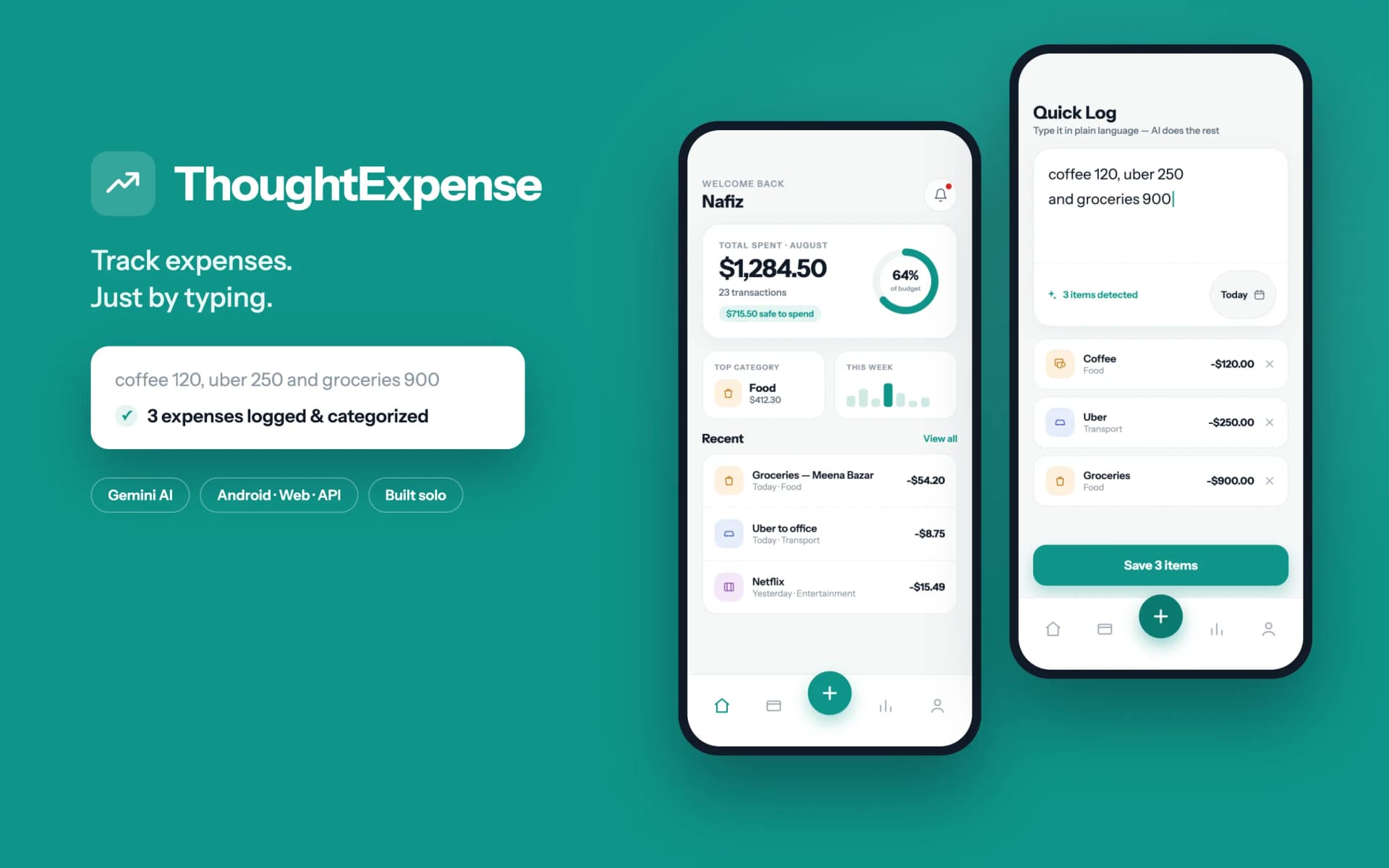
ThoughtExpense: read the case study

AI expense tracker for Android and web

Expense trackers lose their users to the logging tax: pick a category, pick a date, type an amount, repeat.

Statistics decide what is true; the language model only narrates it.

RoleSole engineer and designer

  • TypeScript
  • React Native
  • Next.js
  • Node.js
  • PostgreSQL

Employer work, team project

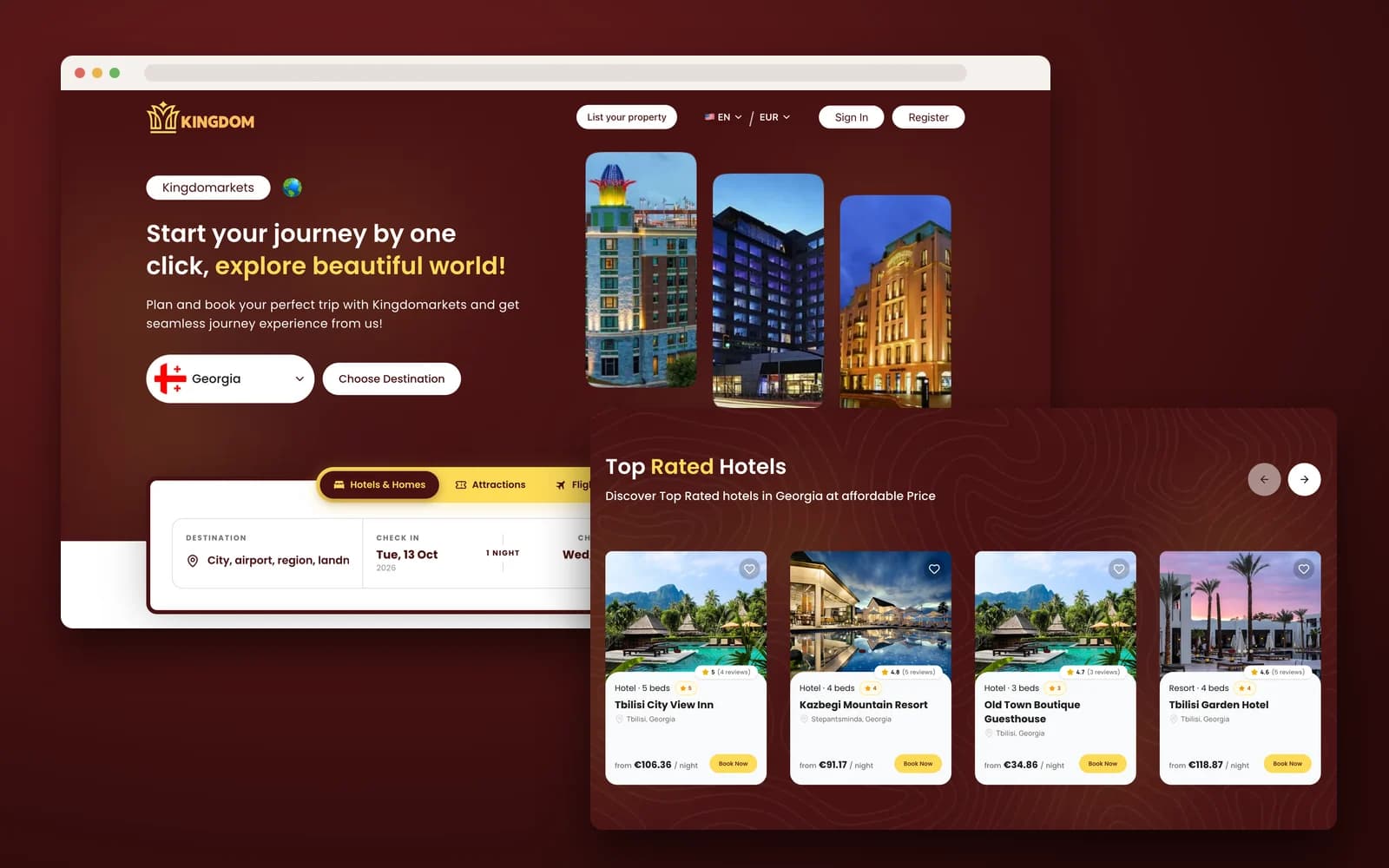
Kingdom Market: read the case study

Multi-country travel and booking platform

A booking platform spanning 13 countries needs fresh listing data and landing pages fast enough to rank and convert.

Google PageSpeed on key landing pages from 58 to 95+.

RoleFull-stack engineer (Dec 2025 – present, remote)

  • TypeScript
  • React
  • Next.js
  • REST APIs
  • Python

Client work

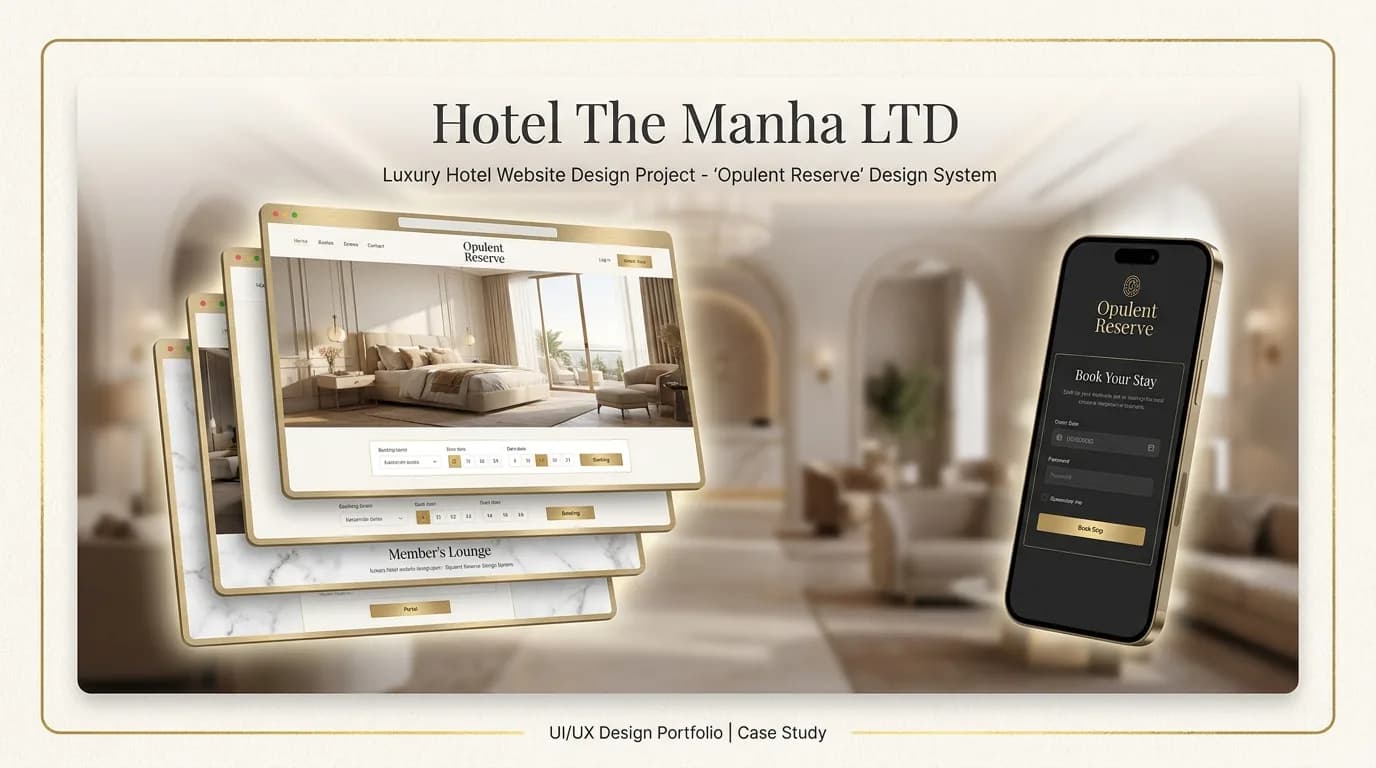
Hotel The Manha: read the case study

Direct-booking platform for a hotel

A hotel with no online channel was losing travellers who search and book on their phones.

Availability is re-checked on the server at the moment of booking, so two guests can't take the same night.

RoleDesigner and full-stack engineer, solo

  • TypeScript
  • Next.js
  • Express
  • MongoDB
  • Resend

Client work

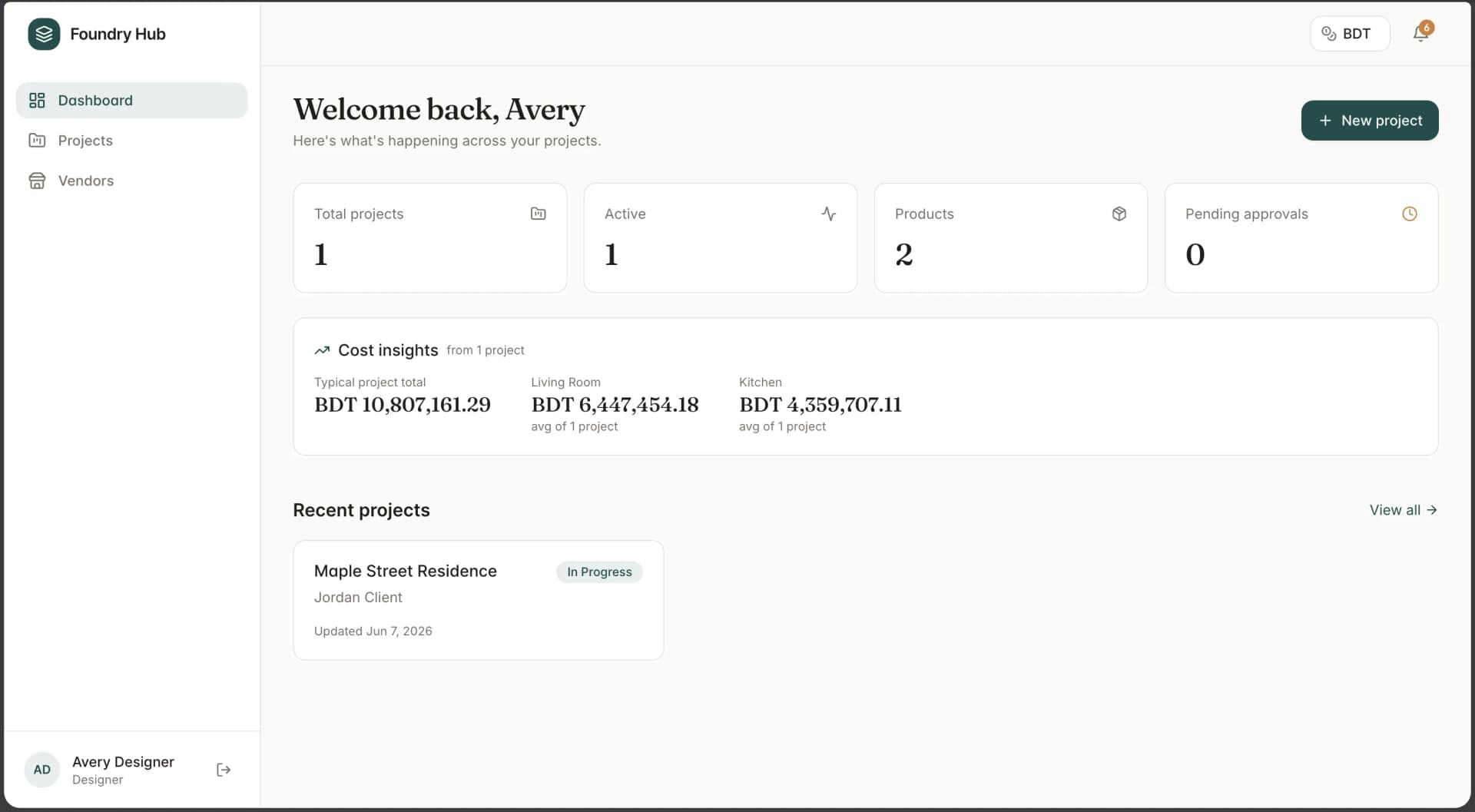
Foundry Hub: read the case study

Project management SaaS for interior designers

A designer's product selections lived in spreadsheets, emailed PDFs, and browser tabs, and client approvals got lost in email.

Paste a vendor URL and a complete product card fills itself in, usually within ten seconds.

RoleProduct designer and full-stack engineer

  • TypeScript
  • Next.js
  • Node.js
  • PostgreSQL
  • Background jobs

Proof

Numbers with their context attached

Every figure links to the case study that explains how it was measured and who owned the work.

References

From the people I’ve shipped with

Recommendations from my LinkedIn profile, quoted as written. Read them on LinkedIn (opens in a new tab)

“Nafiz is a talented and reliable developer who brings both technical strength and a proactive mindset to every project. His expertise in modern web technologies, especially React and Next.js, has been instrumental to our team’s success. He consistently delivers high-quality work, takes ownership of complex tasks, and communicates effectively.”

Md Ariful IslamChief Technology Officer, AntopolisManaged Nafiz directly

“His deep understanding of the tools seamlessly brought our UI/UX designs to life—delivering interfaces that were not only visually stunning but also highly performant and user-friendly.”

Biplob HossainProduct DesignerWorked with Nafiz on the same team at Antopolis

“He’s a highly skilled and dedicated developer with strong expertise in React, Next.js, and Tailwind. Nafiz consistently delivers clean, efficient solutions and approaches every task with a problem-solving mindset.”

Tahrim EmrozeBusiness development executiveWorked with Nafiz as a senior colleague

Approach

How I work on a problem

  1. Step 1

    Understand the business constraint

    Who uses it, what breaks if it is late or wrong, and what it is allowed to cost.

  2. Step 2

    Design a simple system

    The fewest moving parts that meet the constraint, with the risky parts isolated.

  3. Step 3

    Ship incrementally

    Small, reversible releases into the real environment instead of one big launch.

  4. Step 4

    Observe and improve

    Measure what users actually experience, then fix the thing that matters most.